
Game Modes
Command An Army attack vs defend modes explained: how each side wins, how to coordinate with teammates and when to push or hold your line.
Introduction
Command An Army is built around a single team-versus-team battleground loop, but inside that loop every match asks you to choose a side: Attack or Defend. Attackers push forward, capture enemy-controlled points and try to break the opposing line, while defenders hold their ground, punish overextending pushes and counter-attack when the moment is right. The win condition is the capture bar — control more points than the enemy and your team's bar fills first — so both sides play the same objectives but with completely different mindsets. This page breaks down each role: how attackers should stack points, split-push and time their rushes; how defenders should hold chokepoints, protect captured zones and turn defense into counter-push; and how team coordination — stacking a contested point or splitting to force the enemy thin — decides which side comes out ahead. Whether you prefer the aggressive tempo of Attack or the patient control of Defend, understanding both roles makes you a better teammate and a stronger commander in every match.
Team Battle Role Reference
| Role | Goal | Key Actions | Win Condition |
|---|---|---|---|
| Attack | Capture enemy points | Push, stack, split-push | Fill the capture bar first |
| Defend | Hold your points | Hold, punish, counter-push | Fill the capture bar first |
| Coordination | Stack or split | Call pushes, adapt formations | Map control |
Role Breakdown
Attack
Push forward, capture points and break the enemy line.
Defend
Hold your points, punish overextension and counter-push.
Capture Points
The objective that decides every team battle.
Team Coordination
The coordination layer that turns individual plays into wins.
Core Mechanics
Every Command An Army match is a team-versus-team battle with a simple win condition: fill your capture bar first by controlling capture points. Both teams start on opposite sides of the map, and the points between them are contested territory. Attackers win by capturing enemy-controlled points faster than the defense can reclaim them — their whole toolkit is tempo: stack two squads on a contested point to flip it quickly, Rush uncontested objectives before the enemy reacts, and split-push two lanes to force the defense into impossible choices. Defenders win by holding their ground and punishing mistakes: keep a Hold squad on every captured point, use chokepoints and high ground to stall enemy pushes, and counter-push the moment the enemy overcommits and leaves a point undefended. The capture bar is the scoreboard — kills matter only insofar as they buy you time to capture, and a team that chases frags instead of points will lose to a team that plays the objective. Understanding both sides of this loop, and coordinating with your team on which points to stack or split, is the difference between a random scramble and a coordinated conquest.
Advantages
The attack versus defend structure gives Command An Army two completely different playstyles under one roof, which keeps the game fresh and rewards adaptability. Attackers learn tempo — when to push, when to stack, when to split — and every successful point flip is a direct contribution to the win condition. Defenders learn patience and positioning — holding chokepoints with fewer units, punishing overextension and timing the counter-push. Players who master both roles become the most valuable teammates, because they can read the game state and fill whichever role the team needs at that moment. The mode also rewards coordination without requiring it: even a loose team that stacks a contested point or split-pushes two lanes outperforms a well-equipped team playing as six solo players. For free-to-play players, understanding the win condition is the great equalizer — a team that plays the objective beats a team that farms kills, regardless of roster quality.
Challenges
The team battle mode has structural weaknesses that frustrate players. Solo queue is the biggest one: with six players per side, a single teammate who ignores the objective can drag the whole team toward a loss, and there is no way to force coordination in a random lobby. The single win condition — capture bar — can also make matches snowball: once one team controls the majority of points, the other is stuck reacting, and comebacks require the losing team to coordinate a risky all-in push. The attack versus defend choice is fixed per match, so you cannot switch sides mid-game to counter the enemy's strategy; you commit to your role and adapt within it. Finally, kills provide no direct progress toward victory, which frustrates players coming from deathmatch games — understanding that points, not frags, win rounds is a mental shift that takes time.
Frequently Asked Questions
What is the win condition in Command An Army?+
Should I play Attack or Defend?+
How do I carry games in solo queue?+
Quick Tips
Always play the objective — the capture bar decides the round, and a team that chases kills loses to a team that holds points. Every kill only buys time to capture; it does not directly fill your bar. Focus your squad on the most valuable contested point, stack with teammates to flip it fast, and only take fights that secure or defend an objective.
Stack contested points to flip them fast, or split-push two lanes to force the defense into impossible choices. Stacking two squads on one objective flips it much faster than solo pressure, while splitting forces the enemy to divide their defense. Call your intent in chat so teammates can join the right push at the right moment.
As a defender, never leave a captured point empty — one Hold squad stalls the enemy capture until your team rotates. Defending is about making every enemy capture expensive in time and units, not just fighting harder. Keep a cheap squad on each point you own and punish overextended pushes the moment they commit.
Master both sides: attack tempo and defense positioning make you the teammate every team needs. Attackers learn when to push, stack and split; defenders learn how to hold chokepoints and time counter-pushes. The most valuable players read the game state and fill whichever role the team needs at that moment, so practice both sides instead of one-tricking.
Featured

Command An Army Game Mode Update: New Modes And Map Changes
Explore the latest Command An Army game mode update covering new modes like domination and skirmish, plus co-op changes reshaping squad battles.
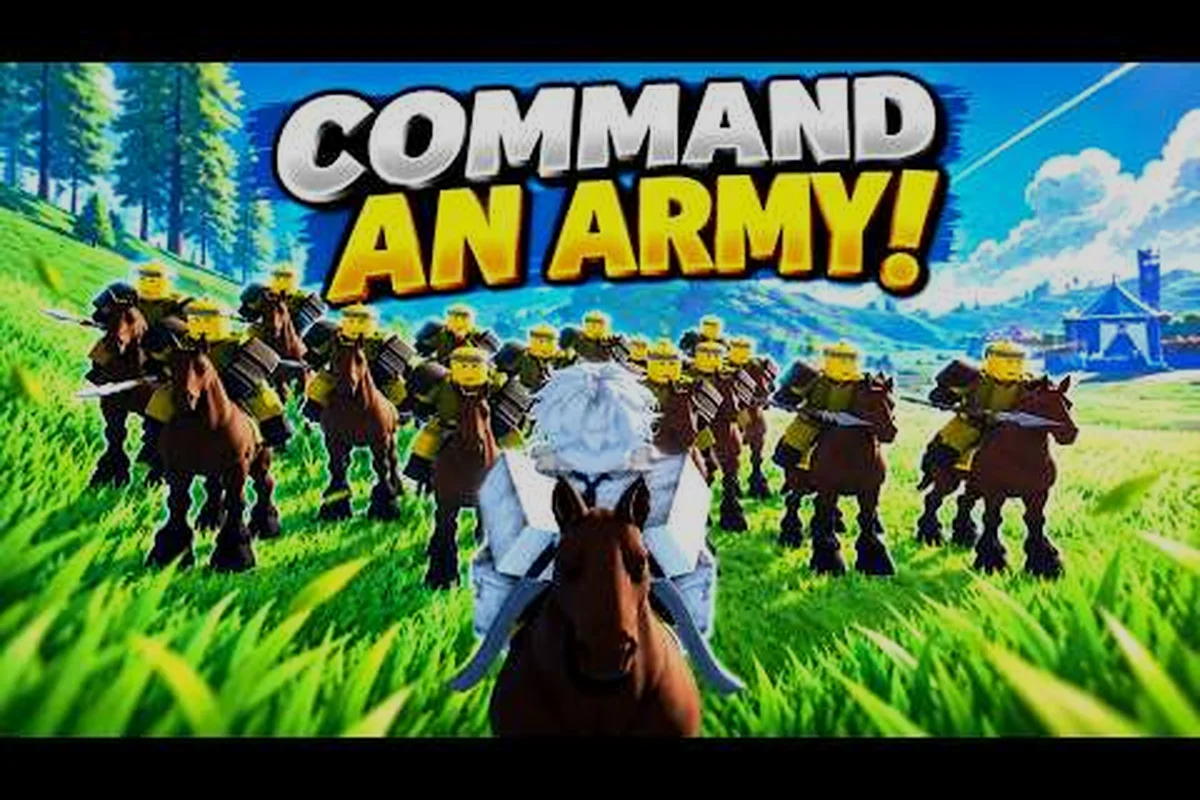
Command An Army All Game Modes Explained: Choose Your Side
Get the full Command An Army all game modes explained breakdown, covering attack strategy, defend strategy, and the key differences that decide which side wins.

Command An Army Attacker Role: Win Every Push And Capture Point
Learn how to own the Command An Army attacker role with the right troop picks, formation timing, and capture-point pushes that break through any defense.
All Articles
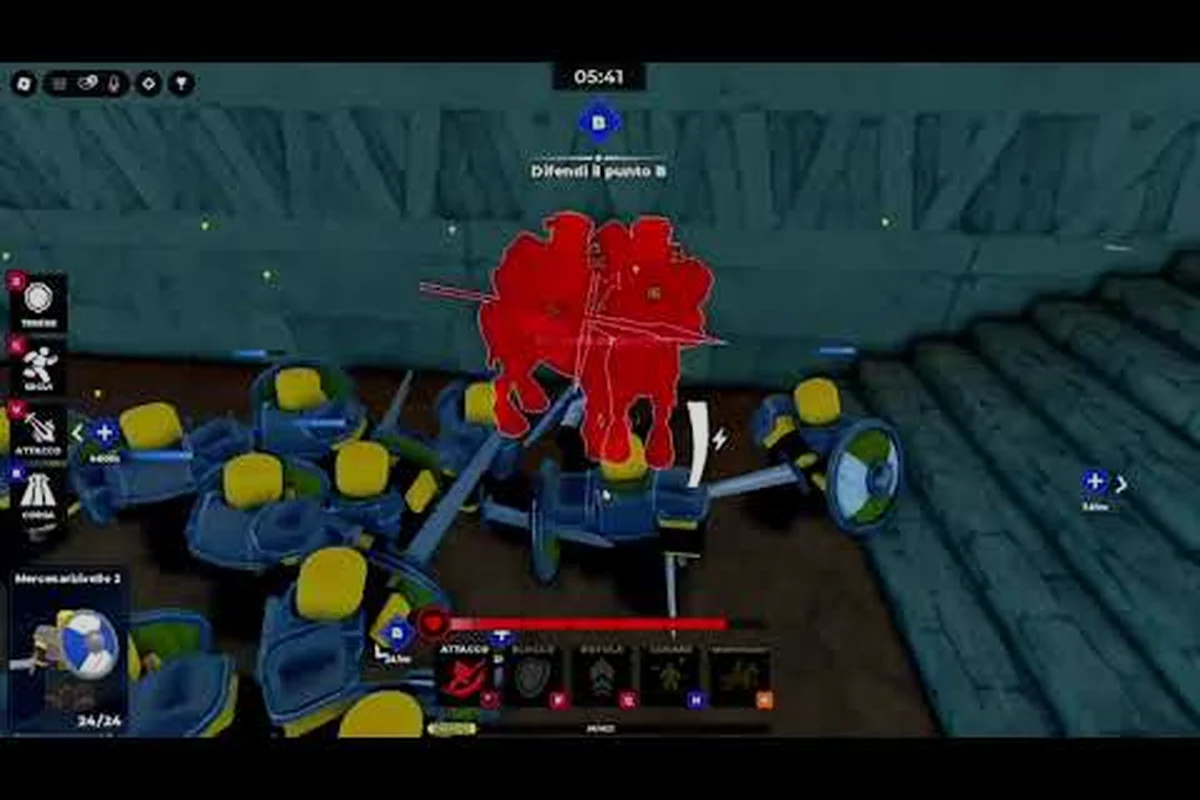
Command An Army Best Game Mode: Which Mode To Play For Wins
Find the Command An Army best game mode for your playstyle, with attack and defend lineup tips, team role picks, and mode-by-mode advice for climbing faster.
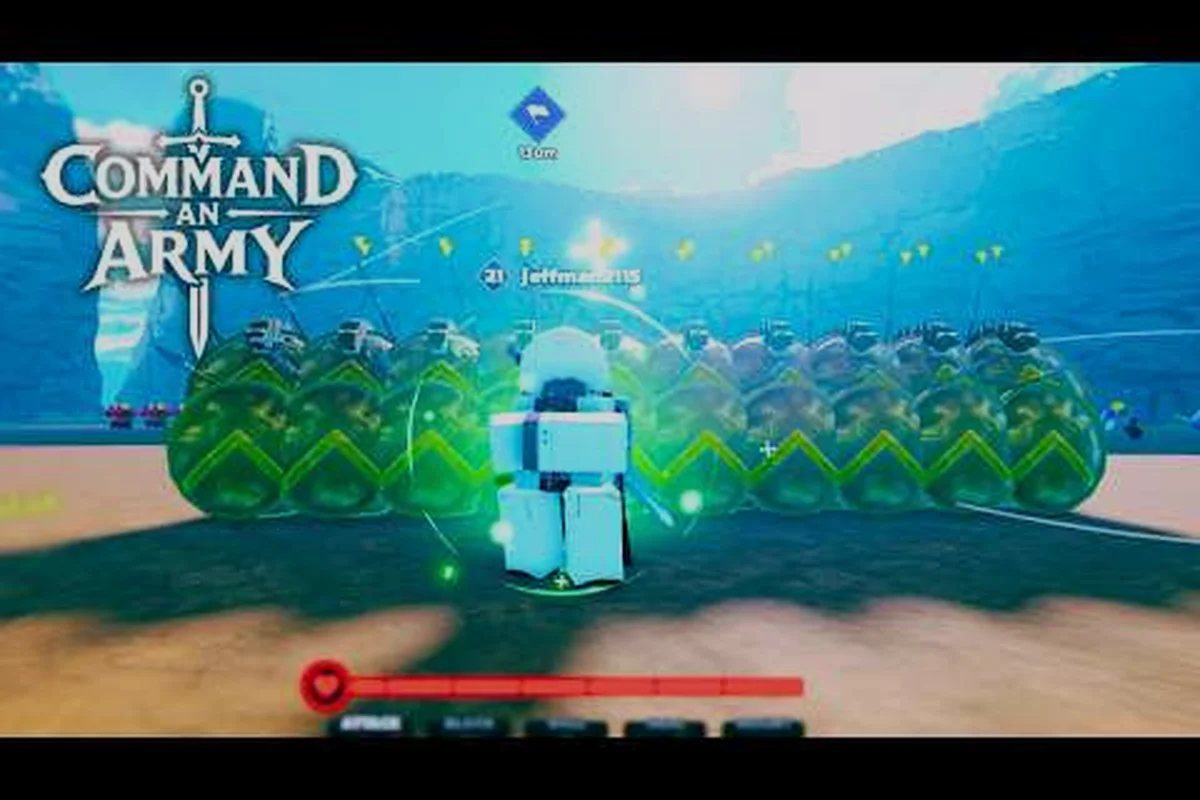
Command An Army Game Modes: Attack, Defend, And Team Battles
Compare every Command An Army game modes option from attack and defend to full team battles, with side-pick advice and what each mode rewards for your squad.
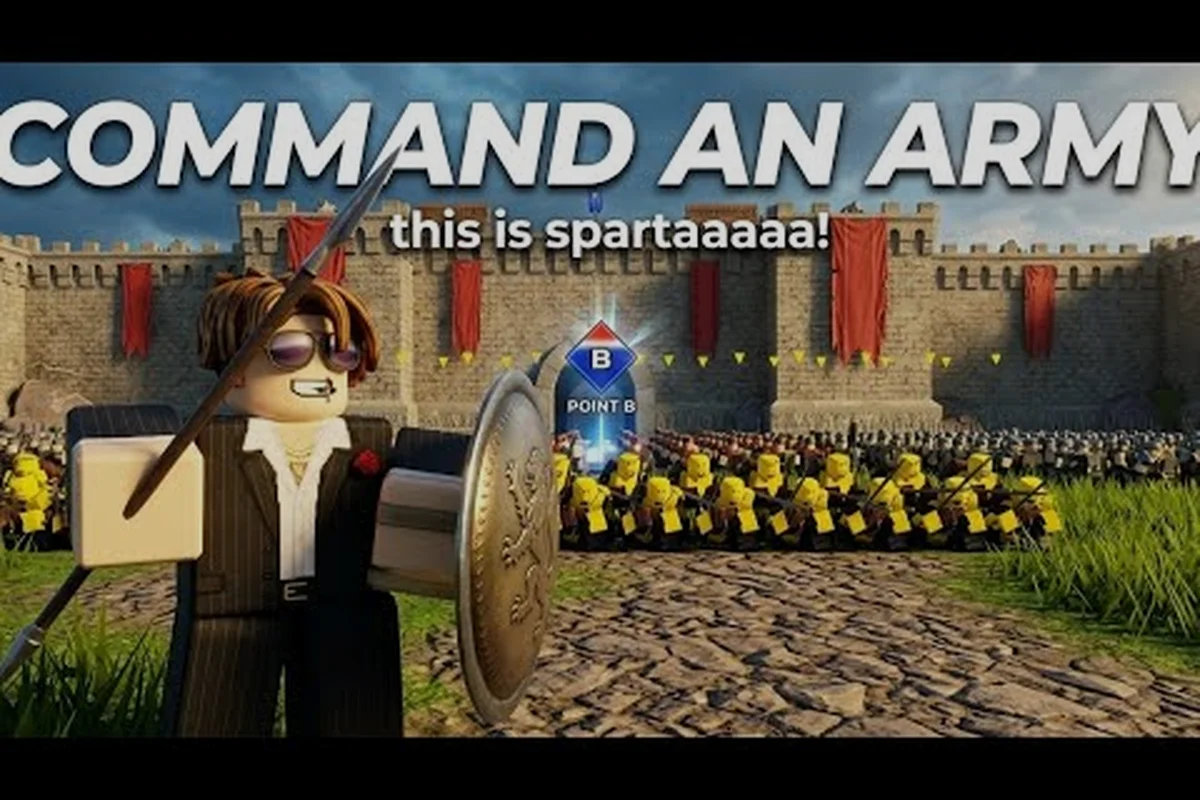
Command An Army Defending Win: Strategies For Every Defend Round
Stack Command An Army defending win strategies across solo, PvP, and last stand modes, with capture holds, formation reads, and the calls that close out rounds.
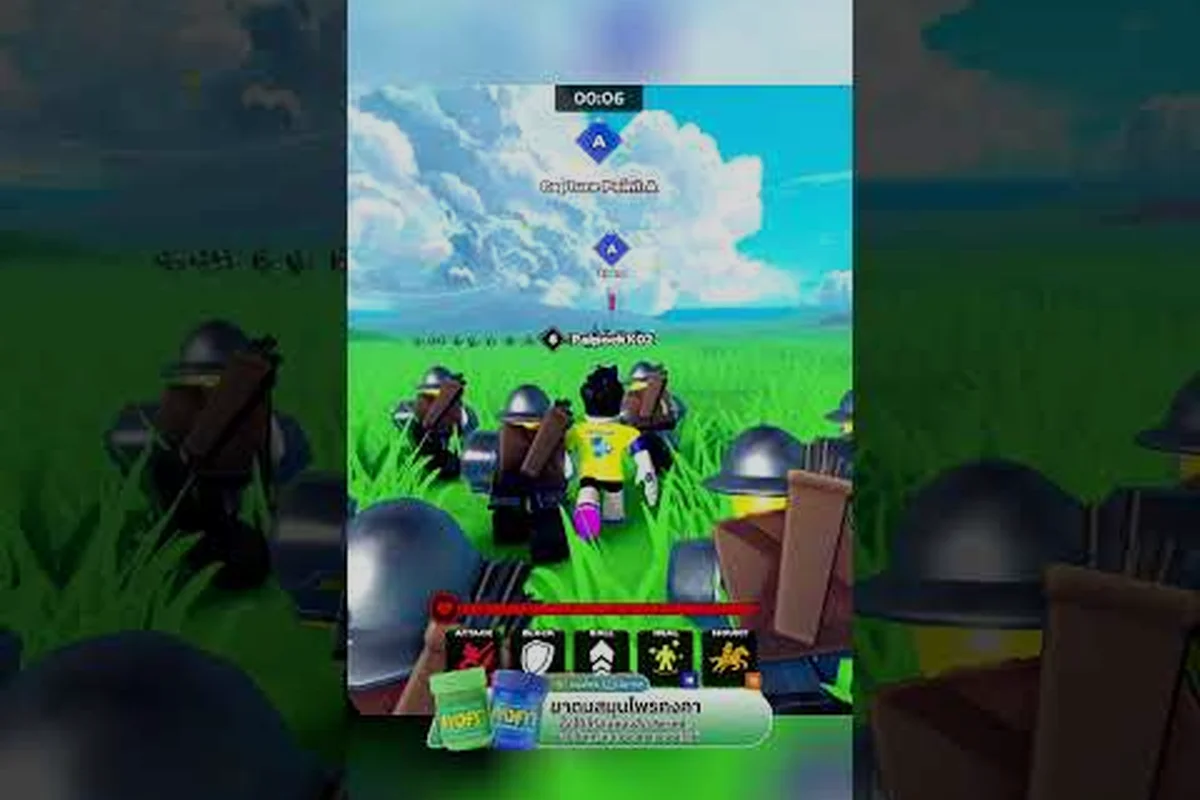
Command An Army How To Defend: Tips To Lock Down Any Point
Learn Command An Army how to defend with formation setups, troop picks, and timing tips that shut down enemy pushes and keep your capture point safe under pressure.